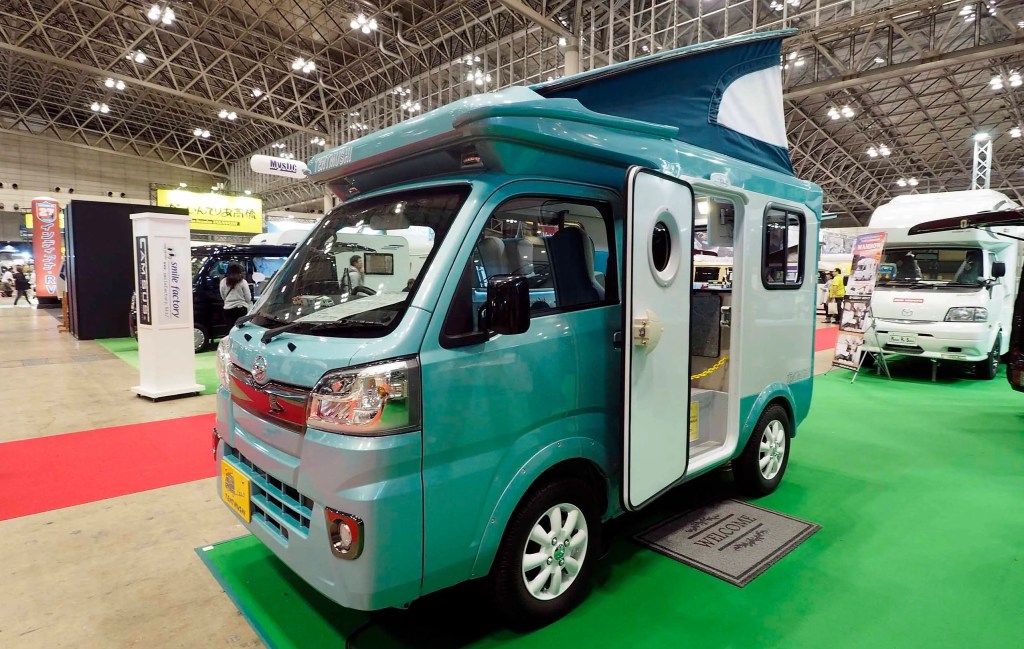
Over the last few years, a new trend has emerged in the world of campervans – the rise of micro campers. These tiny campers are taking the world by storm, and nowhere is this trend more evident than in Japan.
Japanese micro campers are small, yet perfectly formed campers that are designed to be easy to drive, fuel-efficient, and provide all the amenities that you would need for a comfortable camping trip. They are often built on small vans or trucks and come equipped with everything you would need for a weekend getaway or a longer road trip.
In this article, we will explore the Japanese micro camper trend in detail, taking a closer look at what makes these tiny campers so popular and why they are becoming more and more common on Japanese roads. We will delve into the history of Japanese micro campers, the design features that make them unique, and the benefits of owning one.
Before you set out on your micro camper trip, it’s important to weigh the pros and cons of full-time vanlife to determine if it’s the right lifestyle for you. Our article “The Pros and Cons of Full-Time Vanlife: Is It Right for You?” can help you make an informed decision.
So, whether you are a seasoned camper looking for a new challenge or a curious traveler interested in the latest camping trends, this article is for you. Let’s dive into the world of Japanese micro campers and discover what makes them so special.
The Popularity of Micro Campers in Japan
Japan has long been known for its love of compact and efficient designs. From tiny apartments to miniature cars, the Japanese have perfected the art of making the most of limited space. It’s no surprise then, that micro campers have become increasingly popular in Japan over the years. These tiny homes on wheels offer a sense of freedom and mobility, while still being able to fit into the tightest of spaces.
One of the main factors driving the popularity of micro campers in Japan is the country’s unique geography. Japan is a mountainous island nation, which means that space is at a premium. The roads are narrow, the parking lots are small, and many campsites have restrictions on the size of vehicles that are allowed. Micro campers offer a solution to this problem, allowing people to explore the great outdoors without having to worry about finding a suitable parking spot.
Another factor contributing to the popularity of micro campers in Japan is the country’s aging population. As more and more Japanese retirees look for ways to stay active and enjoy their golden years, micro campers offer an affordable and convenient way to travel and explore. With a micro camper, retirees can hit the road and visit new places without having to worry about the expense and hassle of hotels and restaurants.
In addition, the rise of digital nomads and remote work has also contributed to the popularity of micro campers in Japan. Many young professionals are opting for a mobile lifestyle, allowing them to work from anywhere in the world. Micro campers provide an affordable and convenient way to travel and work at the same time, with the added bonus of being able to explore Japan’s beautiful countryside.
Overall, the popularity of micro campers in Japan can be attributed to a combination of factors, including the country’s unique geography, aging population, and the rise of remote work. As more and more people in Japan seek a simpler, more mobile lifestyle, micro campers are sure to continue to be a popular choice.

The Japanese Micro Camper Trend
Japan is a country where space is limited, and innovation is a necessity. It’s no surprise that the trend of micro campers has taken off in this densely populated country. Micro campers are compact, efficient, and versatile, making them the perfect choice for those looking to travel on a budget and explore the countryside.
The micro camper trend in Japan began in the 1980s, when companies such as Mitsubishi and Honda began producing small, efficient campers that could be driven on narrow roads and parked in tight spaces. These early models were basic and lacked many of the amenities found in larger campers, but they were affordable and met the needs of those looking for a budget-friendly option.
Over time, the design and features of micro campers in Japan have evolved, and they now offer a range of amenities, including a bed, kitchenette, and toilet. Many models also have convertible furniture, allowing for more space during the day and a comfortable sleeping area at night.
One of the unique features of micro campers in Japan is their attention to detail and functionality. The design is focused on maximizing every inch of space, with storage compartments built into every available nook and cranny. Japanese micro campers are also known for their use of high-quality materials and attention to detail, ensuring that every feature is optimized for comfort and convenience.
The popularity of micro campers in Japan has led to a thriving community of enthusiasts and a market for used campers. The affordability and practicality of micro campers have made them accessible to a wide range of people, including families, retirees, and young adults.
In recent years, the trend of micro campers has spread beyond Japan, with other countries taking notice of their practicality and versatility. As more people seek to live a minimalist lifestyle and explore the outdoors, the trend of micro campers is likely to continue to grow in popularity.
Overall, the Japanese micro camper trend is a testament to the country’s innovative spirit and commitment to efficient and practical design. These compact and versatile campers have become a staple of Japan’s outdoor culture and offer a unique and affordable way to explore the country’s stunning natural beauty.
The Benefits of Micro Campers
Micro campers are becoming more and more popular, and for good reason. While they may not have all the amenities of larger campers or motorhomes, they offer a unique set of benefits that can make them the perfect choice for certain types of travelers. Here are some of the benefits of micro campers:
- Affordability: Micro campers are often more affordable than larger campers or motorhomes. They are also more fuel-efficient, which can save you money on gas.
- Maneuverability: Micro campers are smaller and more agile than larger campers or motorhomes, making them easier to maneuver on the road and in tight spaces.
- Accessibility: Micro campers are often small enough to fit in regular parking spots, which means you can park them in more places than larger vehicles.
- Versatility: Micro campers can be used for a variety of activities, from camping to road trips to city living. They are versatile and can adapt to different situations.
- Easy to customize: Micro campers are easy to customize and personalize. You can add your own style and flair to your camper, making it truly unique.
- Minimalistic living: Micro campers encourage minimalistic living, forcing you to prioritize what’s really important and helping you to disconnect from the distractions of modern life.
Overall, micro campers offer a unique set of benefits that can make them the perfect choice for those who value affordability, maneuverability, accessibility, versatility, customization, minimalistic living, and spending more time outdoors.
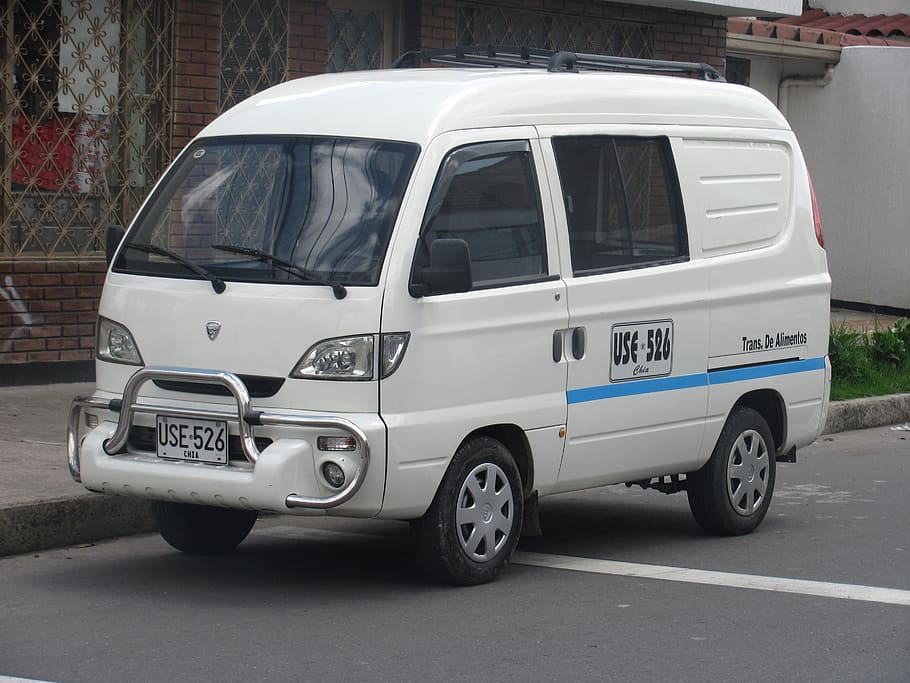
The Future of Japanese Micro Campers
As the popularity of Japanese micro campers continues to grow, it’s important to consider their future. What advancements and changes can we expect to see in this market?
One possibility is the integration of more sustainable and eco-friendly materials and technologies. As the world becomes increasingly conscious of our impact on the environment, the demand for environmentally friendly vehicles and products is growing. Micro campers could play a role in this trend by using materials that have a smaller carbon footprint, such as bamboo and recycled plastic. Additionally, solar panels and other forms of renewable energy could be integrated into the design of micro campers to make them more self-sufficient.
If you’re interested in sustainable living, our article “Going Off-Grid: The Science of Sustainable Living in Camper Vans” delves into the practicalities behind off-grid living and offers tips on how to reduce your environmental impact while on the road.
Another trend that is likely to continue is the use of technology to make micro campers more convenient and comfortable. Smart home systems, for example, could be integrated into micro campers to control lighting, heating, and other amenities. We may also see the development of more compact and efficient appliances, such as refrigerators and stovetops, that are specifically designed for micro campers.
Finally, the trend of vanlife and digital nomadism is likely to continue driving the demand for micro campers. As more people seek out ways to live and work on the road, micro campers offer an affordable and compact option for those who value mobility and flexibility.
In conclusion, the future of Japanese micro campers is bright. As consumers become more conscious of their environmental impact and the demand for sustainable products grows, we can expect to see more eco-friendly and efficient micro campers on the market. The integration of technology will also continue to make micro campers more comfortable and convenient for their users. And as the trend of vanlife and digital nomadism continues to grow, micro campers are likely to become an even more popular choice for those seeking a mobile lifestyle.
 Life on Wheels