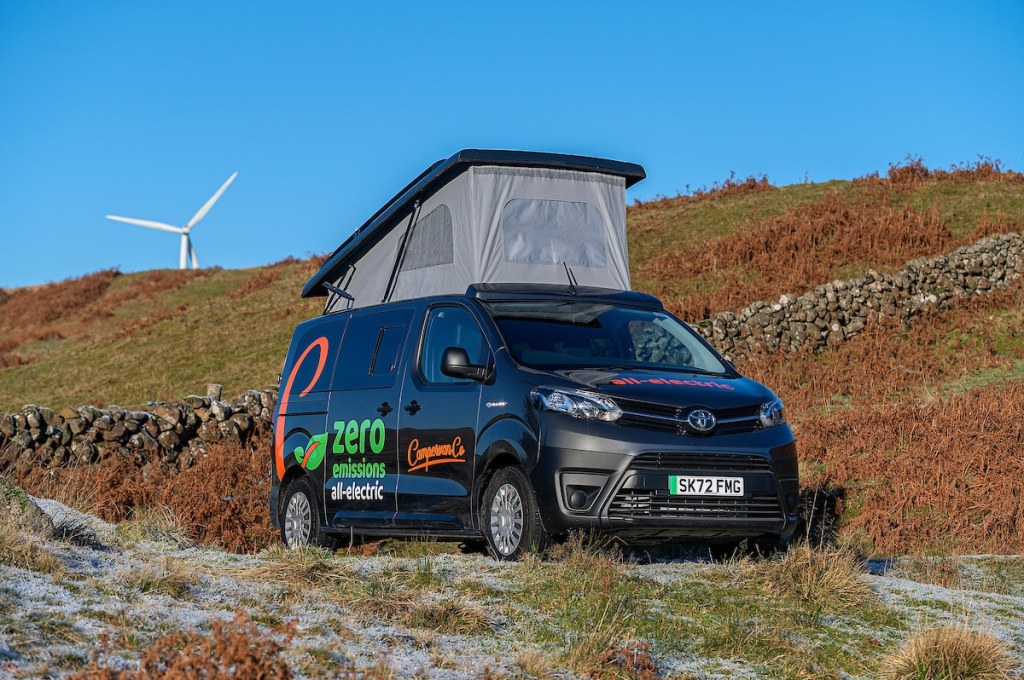
Living off the grid has become a popular choice for many people seeking a simpler, more sustainable lifestyle. For those who choose to live on the road in a camper van, it can be especially challenging to live off-grid due to the limited space and resources available. However, with some careful planning and preparation, it is possible to live a comfortable and sustainable life in a van, without relying on traditional utilities and infrastructure.
One of the most important factors to consider when living off-grid in a van is energy consumption. Camper vans are typically powered by either a battery bank or a generator, which must be able to provide enough power to run appliances, charge devices, and keep the van warm or cool. To reduce energy consumption, it is important to invest in energy-efficient appliances and lighting, and to be mindful of how much power is being used at all times.
In addition to energy consumption, water usage is another important consideration when living off-grid in a van. Water can be stored in tanks within the van or collected from natural sources such as streams or rainfall. To minimize water usage, it is important to practice water conservation techniques such as taking short showers, using biodegradable soaps and detergents, and washing dishes in a basin rather than running water.
Food storage is another crucial element of off-grid van living. Properly storing food is important to prevent spoilage and waste, and to maintain a healthy diet while on the road. Refrigeration can be achieved through the use of portable coolers or solar-powered refrigerators. It is also important to consider how food is prepared and cooked, and to invest in portable cooking equipment such as propane stoves or portable grills.
One of the biggest challenges of off-grid van living is waste disposal. Unlike traditional homes, there is no sewage or trash infrastructure available. Instead, van dwellers must be self-sufficient and practice responsible waste management techniques. This can include using biodegradable products, composting food scraps, and properly disposing of waste in designated areas.

In addition to the practical aspects of off-grid van living, it is important to consider the psychological and emotional impacts of living in a small space with limited resources. Van dwellers must be self-reliant, adaptable, and resilient to cope with the challenges of life on the road. It is also important to establish a sense of community and connection with others, whether through online forums or in-person gatherings.
Overall, off-grid living in a van requires a unique set of skills, knowledge, and resources. By taking a thoughtful and strategic approach to energy consumption, water usage, food storage, waste management, and community building, it is possible to live a fulfilling and sustainable life on the road. With the right tools and mindset, van life can be an incredible adventure that offers freedom, flexibility, and a deep connection to the natural world.
 Life on Wheels